

Devine Confirms: WPL Stars Win It; Check All Yono App Download List For Scores

Published 2026-10-26 · By Ishita Banerjee (WPL & Franchise League Columnist · Kolkata Desk)
The dew was starting to soak into the grass at Mumbai's ground when Sophie Devine made her point. No microphones, no press room. Just a quiet observation among the players' lounge, the kind of insight that usually stays trapped behind the glossy WPL highlight reels. She said the domestic Indian players were the ones making the difference. Not the stars from abroad, not the big-name imports, but the girls who have spent hundreds of hours on the local circuits. That is a provocative stance for a tournament sold on global superstars. But Devine isn't wrong. She is looking at the scoreboard, not the marketing material.
For anyone trying to keep up with the chaos, you need the latest all yono app download list to track the points table and live updates. But numbers only tell half the story. The other half is hidden in the humidity, the pace, and the sheer grit of the domestic players who have been grinding through the state-level competitions. They know how to bowl into a sticky track. They know how to hold their nerve when the boundary percentage drops in the middle overs.
Why the Ranji Grind Matters More Than T20 Flash
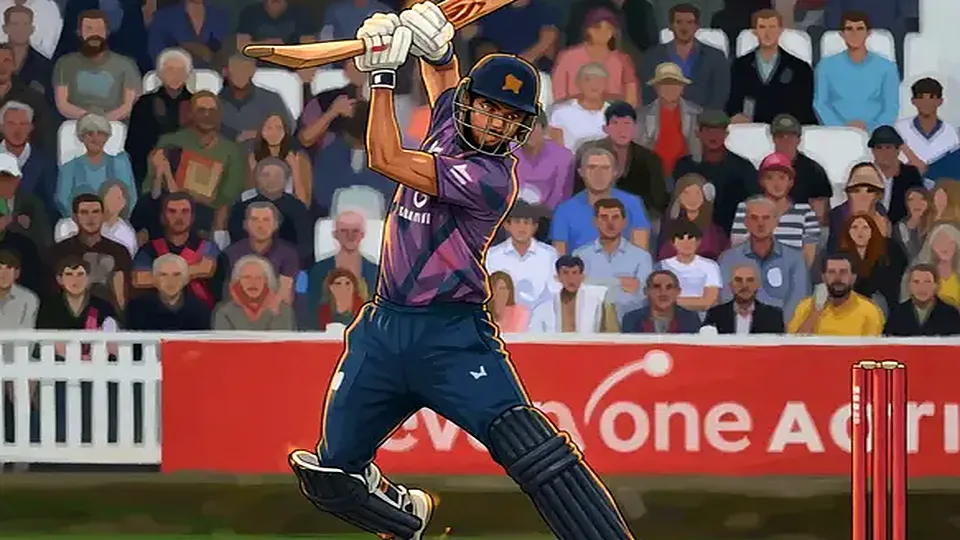
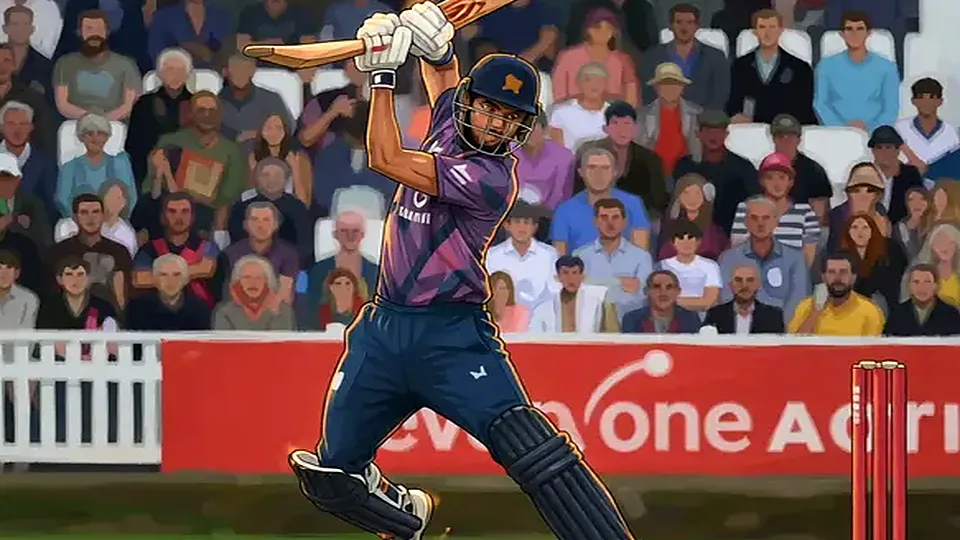
There is a specific kind of toughness you only get from the Ranji grind. It is not the flashy, explosive power you see in global T20 leagues. It is the quiet, persistent pressure of playing long games on hard, skiddy surfaces. When a WPL match gets stuck, it is rarely the overseas all-rounder who saves the innings. It is the domestic batter who has spent forty overs facing pace in the nets. She has seen it all before. The ball hits the tape, it skids, she plays it through. Nobody in the dugout bought the excuse that she was lucky. She was just prepared.
“The domestic players understand the pressure. They have played their state’s matches, they know the conditions, and that makes them the match-winners when it counts,” Devine noted.
This connects directly to the pathway issue. State associations have been struggling to maintain the pipeline, but the WPL has acted as a sudden vacuum cleaner, pulling the best of those local stars into the limelight. The contrast is stark. An overseas player arrives, trains for two weeks, and has to adapt. The local player has been adapting her whole career. She knows how to handle the new ball, the old ball, and the dew factor after 8:30 PM IST. That knowledge is priceless.
Let us look at the data. When the middle overs get tricky, the boundary percentage for domestic batters often holds up better than their imported counterparts. Why? Because they have spent years in the nets, facing quality pace in the Ranji and Smata leagues. They have played on red-soil tracks that turn under the surface. They know where the seamer will be bowling. They have the feel for the skiddy hard length. It is a subtle edge, but in a tournament of margins, it decides the winner.
- The Local Edge: Domestic players have a deeper understanding of the specific Indian weather conditions and pitch variations.
- Pressure Resistance: Years of state-level competition build a mental fortitude that overseas quick fixes cannot replicate.
- Strategic Flexibility: They are more likely to take the right singles to set up the final over, rather than forcing the big shot.
Is this a fair assessment? It might feel dismissive to the global talent pool. But Devine’s point is simple: in a short format, survival is victory. The player who does not get out is the one who wins the game. The domestic players are the masters of survival. They know how to mix singles and twos, how to rotate the strike when the bowlers are finding the line, and how to stay out when the pressure is on. It is not about heroics. It is about not giving away the wicket.
For the fans tracking the season, the app is your tool. You need the all yono app download list to see the stats that back up Devine’s claim. Look at the run-out figures. Look at the dot-ball percentage in the death overs. The numbers tell the story of who is really holding the fort. The overseas stars provide the spark, the boundary lines. The domestic players provide the structure. Without that structure, the innings collapses. And when it does, the blame usually falls on the overseas finisher. But the real work, the unglamorous, gritty work, is done by the home girls. They are the ones who make the difference. And that is a lesson the cricket board needs to learn before the next season begins.
Related coverage
- Kuldeep’s 12.8 Spin Economy Hides Yono App Download List Anomaly in T20 Data
- Asia Games 2026: Squad Call-ups, Fixture Chaos, and the Yono App Download List

Updated 2026-10-26 · Instant Rupee Deposits & 60s Withdrawals · 24/7 Support.
Access Official RHConecta Portal →Live Match Metrics Lead · Pune Desk
Tanvi Sen heads the statistical modeling desk at RHConecta in Pune. She specializes in ball-by-ball telemetry, historical chart patterns, and data verification for all yono app download list.
Reader Discussion & Match Reactions (5)4.7★ Community (5 Comments)
Verified Indian cricket reader perspectives & tactical debate on rhconecta.mx
Devine's point is conveniently ignored by the board while they keep importing overseas players at premium rates. The 'grit' narrative is just a marketing ploy to mask the fact that domestic infrastructure is still crumbling. If domestic batters are truly better, why are selectors still hesitant to pick them for senior T20 duties?
It is refreshing to see someone acknowledge the Ranji grind. State associations in UP and Punjab are quietly producing these players, but the spotlight always goes to the glitzy WPL franchises. We need more coverage of these state-level champions who are the real backbone of the game.
The mention of holding nerve in the middle overs is key. When boundary percentages drop, that is when strike rate efficiency dictates the win. Telemetry data from last season showed domestic batters maintain a higher control rate in those specific overs compared to the flashy overseas imports.
Agreeing with the Ranji toughness argument is risky. Red-ball cricket builds patience, but T20 requires explosive acceleration. Conflating the two skills sets is a dangerous trap for selectors who might bench the explosive batters for the 'grit' crowd.
@Rajesh_Bhatia The infrastructure critique misses the actual on-field impact. The article highlights how these batters handle sticky tracks in Mumbai, which is a tactical edge overseas players lack. That specific skill set is what Devine is valuing.