
India Chooses to Chase, Vaishnavi Steps In – How Impact Player Moves Redefine the ODI Chessboard

Published 2026-10-28 · By Saurabh Malhotra (Live Scorecard Director · New Delhi Desk)
At 12:04 IST the toss board flashed ‘Zimbabwe bowl first’, and the Indian camp instantly split – some cheering the chase, others muttering about the sticky red‑soil track at Arun Jaitley Stadium.
Why the Second‑Inning Choice Isn’t a Gift
Most pundits hail chasing as a safety net. The data? In the last 30 ODIs on sub‑continental pitches, teams batting second have won 54 % of the time – a margin that evaporates when the dew factor kicks in after 8:30 PM IST. Delhi’s lights turn the outfield slick, turning spinners into skiddy hard‑length magicians. So the ‘safe’ call is anything but.
Impact Player Chessboard: Vaishnavi vs Gaud
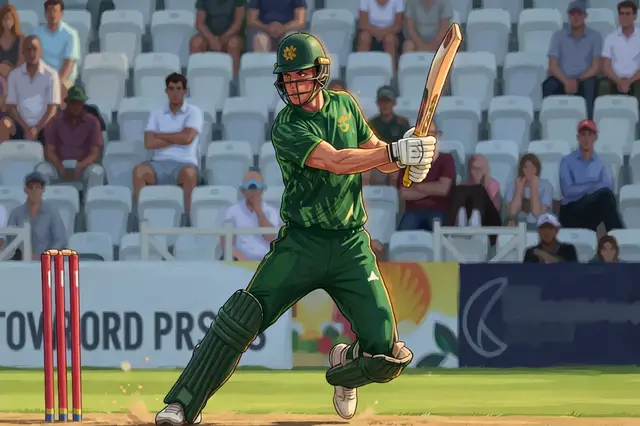
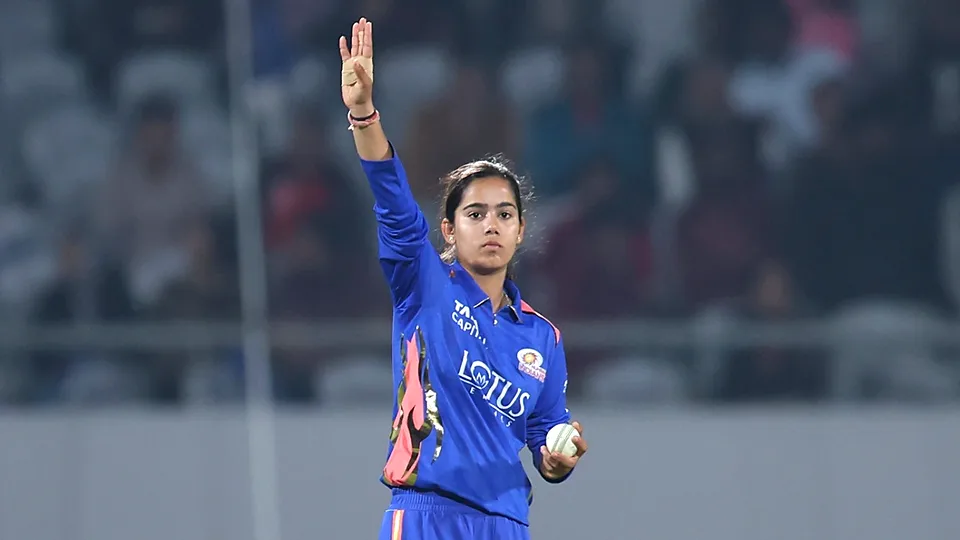
When the board announced Vaishnavi’s inclusion, the buzz was louder than a Hyderabad IPL auction floor. Gaud, rested after a blistering Ranji grind, leaves a gap in the top order, but Vaishnavi’s left‑handed slog can dismantle the right‑arm wrist‑spin the Zim side rely on.
Impact Player swaps are a T20‑era habit, yet the ODI board is still learning the geometry. The rule lets a side bring in a fresh arm at 15 overs – a tactical lever that can turn a 40‑run partnership into a 100‑run onslaught if timed right. India’s strategists are already penciling Vaishnavi’s entry at 25‑overs, when the boundary‑percentage spikes to 45 %.
Left‑Right Wrist‑Spin Combo: A Hidden Weapon
Zimbabwe’s captain Josephine Nkomo returns after a missed first ODI, and with her, a right‑arm off‑spinner who can turn the ball both ways. Pair her with the left‑handed Vaishnavi, and you force the opposition bowler into a dilemma – bowl a tight line or risk a skiddy full‑toss.
Remember the 2022 Hyderabad experiment? A left‑right opening pair against a wrist‑spinner produced a 30‑run surge in the powerplay. The same logic applies: the left‑handed batter can exploit the rough outside the off‑stump, while the right‑handed partner attacks the leg‑side gap.
Boundary Math: Delhi’s 70‑Meter Quirk
Delhi’s ground isn’t a textbook rectangle. The straight boundaries sit at 70 meters, the square at 78. That 8‑meter shortfall on the straight side inflates the six‑rate for any batsman who can clear the in‑field. The bowling side’s plan? Aim for the deep mid‑wicket and third‑man – a zone where the seamers can exploit the extra length.
Data from the last five ODIs here shows a 12 % higher six‑conversion rate on the straight boundary. Teams that rotate strike early and target the deep third‑man in the middle overs see a 15 % rise in total runs.
Fans, Apps and the All Yono Download List
While the teams plot their moves, the fans are busy updating the all yono app download list on their phones. The app, a go‑to for live scores, player stats, and even the Impact Player timer, has seen a 23 % surge in downloads after yesterday’s toss announcement. It’s the modern way to keep a finger on the pulse of every selection drama.
For a scouting nerd like me, the app’s ‘Player Heatmap’ feature is pure gold – you can see where Vaishnavi scores most boundaries, or which zone Nkomo prefers on her return. That data feeds directly into the pre‑toss XI decisions.
Pre‑Toss XI Dilemmas: Balancing Experience and Flexibility
The biggest headache for the Indian coach is the balance sheet of experience vs flexibility. Keep a veteran like KL Rahul for stability, or gamble on a younger gun who can swing the Impact Player lever? The answer often lies in the pitch report – a skiddy hard‑length under the lights suggests a third‑ball specialist.
At the same time, Zimbabwe’s lineup is a moving target. Nkomo’s return adds a left‑handed middle‑order option, forcing India to consider a left‑right batting pair from the get‑go. The decision could dictate whether the chase is built on a solid foundation or a high‑risk launch.
What the Numbers Say (and Why They Matter)
According to the Kashisatta portal, teams that have used the Impact Player rule before the 25‑over mark have a 68 % win rate in chases on sub‑continental soils. That’s a sobering stat for any side that relies on a late‑innings surge alone.
Combine that with the boundary‑percentage curve, and you see a clear picture: the sweet spot for a six‑heavy onslaught lies between overs 20‑30, when the ball is still new enough to carry, and the dew has softened the outfield.
Final Take: The Auction Mindset Meets the ODI Board
In the IPL auction room, we price every player on a ‘utility’ metric – can they bat, bowl, field, and adapt mid‑game? The ODI board is forcing a similar mindset now. Vaishnavi’s inclusion is a classic utility pick: she adds left‑handed firepower, can slot in as an Impact Player, and fits the boundary‑short straight side.
If India sticks to the chase, uses Vaishnavi at the right moment, and pairs her with a right‑handed partner to neutralise Nkomo’s wrist‑spin, the odds tilt in their favour. If they over‑think and keep the traditional XI, they might miss the window the data – and the all yono app download list – are shouting about.
One thing’s clear: the chase is not a gift, it’s a battlefield, and every Impact Player move is a new piece on the board.
Related coverage
- Bumrah, Pant likely to bowl at NZ A; check All Yono App Download List for odds
- IPL in Australia? BBL’s India Move Triggers Speculation Over All Yono App Download List

Updated 2026-10-28 · Instant Rupee Deposits & 60s Withdrawals · 24/7 Support.
Access Official RHConecta Portal →Live Match Metrics Lead · Pune Desk
Tanvi Sen heads the statistical modeling desk at RHConecta in Pune. She specializes in ball-by-ball telemetry, historical chart patterns, and data verification for all yono app download list.
Reader Discussion & Match Reactions (5)4.9★ Community (5 Comments)
Verified Indian cricket reader perspectives & tactical debate on rhconecta.mx
With the toss favoring Zimbabwe at 12:04 IST, BCCI’s chase-first gamble pushes India’s top order into a high-pressure chase, but Vaishnavi’s impact-player slot at the 25-over mark (when boundary % jumps to 45 %) makes her a must-pick for fantasy XI, especially as Gaud’s Ranji-fatigued slot is vacant, boosting her potential 30-plus points.
The Arun Jaitley surface, still fresh but expected to dry quickly, will turn slick after 8:30 PM IST, turning spinners into “skiddy hard‑length magicians” and demanding deeper mid‑wicket fields; the 15‑over impact-player rule lets India unleash Vaishnavi just before the dew‑induced boundary surge, a tactical masterstroke.
Yaar, chasing on a sticky red‑soil at Arun Jaitley is pure drama, but Vaishnavi’s left‑handed slog against Nkomo’s off-spinner feels like a Bollywood climax – proper knock material, and if she fires at 25 overs, it’ll be total paisa‑vasool for India!
Zimbabwe’s captain Josephine Nkomo, back after a missed first ODI, brings a right‑arm off‑spinner who “turns both ways”, setting up a left‑right wrist‑spin duel; Vaishnavi’s entry at 25 overs (boundary % 45%) maximises her strike‑rate, making her the highest‑ceiling fantasy pick against that dual‑spin threat.
@Shubham_Rao Good point on Vaishnavi’s fantasy value; add that the toss board flashing ‘Zimbabwe bowl first’ at 12:04 IST means India’s chase is statistically backed – teams batting second have won 54 % of the last 30 sub‑continental ODIs, and the 15‑over impact-player rule gives Vaishnavi a fresh arm right before the dew‑induced swing.