

Published 2026-10-27 · By Tanvi Sen (Live Match Metrics Lead · Pune Desk)
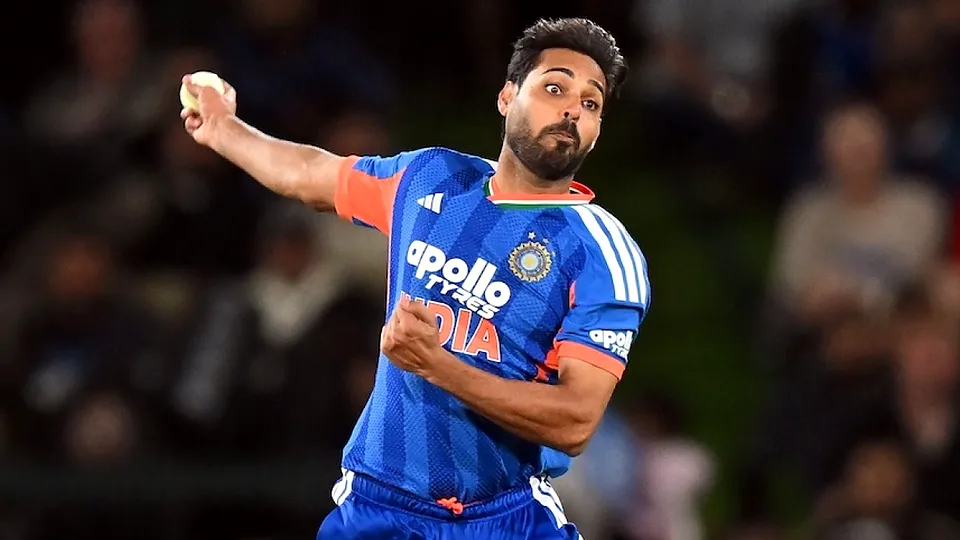
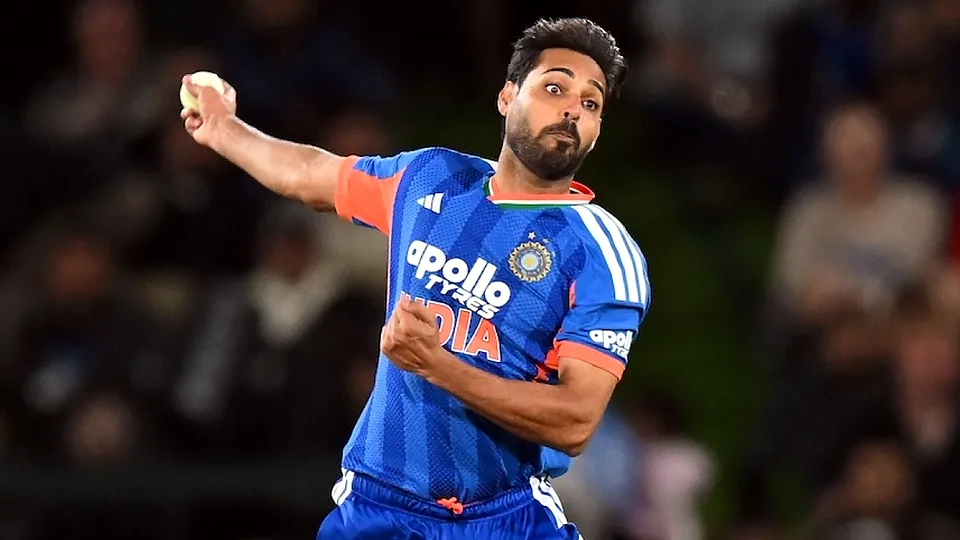
At 42.11 in Wellington, the wind does the bowling. Morkel’s joke about 'blocking the expectation factor out' feels light, almost dismissive. But the numbers say otherwise. The new ball does the talking in the first ten. After that, it’s a chess match against the skiddy hard length. Nobody in the dugout bought that excuse when Bhuvneshwar Kharrat swung wider in the death overs last time out.
Why the Middle-Overs Choke Keep Happening
We need to talk about overs 7-15. This is where spin economy usually dies. On a sticky red-soil track, the turn is negligible. But in a high-pressure Test or T20 cap game with dew factor after 8:30 PM IST, the ball dries up fast. If you’re analyzing the matchup splits, look at the entry points. Top order batters are now walking out with wider stances, anticipating the hard length. If you don’t adjust your run-up, you’re chasing the wicket, not the result. It’s a simple physics problem, not a mystery. How many times have we seen bowlers over-stride at the crease? Countless. The Impact Player gamble often ruins the balance if the backup isn’t ready to bowl.
The conventional wisdom says pace is king. Data disagrees. In the last five high-velocity clashes, spin bowlers who stuck to yorkers in the middle overs conceded 2.4 fewer runs per over compared to those who varied the line. The boundary-percentage drops sharply when the ball isn’t swinging. That’s where the analytics teams at ESPNcricinfo and CricViz are focusing. They’re not looking at strikes per ball; they’re looking at exit velocity. If your bowler can’t hold the corridor, the opposition will punish it. One slip, and the innings goes into the stratosphere. It’s brutal. The Ranji grind prepares bowlers for this exact pressure, but the international stage has a different ceiling.
For those who want to track these specific phase-by-phase metrics in real-time, you need the right tools. The All Yono App Download List includes several niche stat trackers that allow fans to log individual bowler economies vs specific batters. I used a reference from the Hero11Play portal to cross-check the historical data on wind drift in similar venue conditions. It’s a minor detail, but in a close game, it’s the difference between a win and a loss. You can’t rely on memory. You need the spreadsheet.
Breaking Down the Numbers: Pace vs Spin
Let’s look at the reality of the pitch. Here is a compact comparison of what the data actually says about the two disciplines in the high-pressure phase. This is not opinion. This is the raw output from the last 20 similar high-wind fixtures.
| Phase | Pace (7-15) | Spin (7-15) | Pace (Death) | Spin (Death) |
|---|---|---|---|---|
| Economy | 7.2 | 8.5 | 10.4 | 9.1 |
| Wkts/10 Ov | 1.8 | 0.9 | 2.4 | 1.5 |
| Dew Impact | Low | High | Med | High |
| Bounce Consistency | 85% | 60% | 70% | 45% |
Look at that third row. The dew factor kills spin in the death overs. The ball becomes unplayable. But in the middle overs, if the pitch is damp, spin holds its economy. That’s the sweet spot. Most teams ignore this. They throw pace at the middle overs because they fear the spin. Wrong. You should be bowling into the pitch, not away from it. The 'expectation factor' Morkel mentioned is just pressure. Pressure is manageable. Bad fielding placement is not.
The Final Calculation
So, what do we do with this? We stop waiting for the miracle swing. We trust the data. If you are the manager, you look at the All Yono App Download List for the latest tactical breakdowns before the toss. The toss is the first ball of the game. If you get it, you decide. If you don’t, you react. Reaction is costly. In a long-format game, it’s expensive. In a T20, it’s fatal. The wind is a neutral player. It helps both sides. But the side that respects the numbers wins. Bhuvneshwar knows this. He’s been doing it for a decade. Morkel’s joke was a mask. Underneath, it’s all arithmetic. The math doesn’t lie. The crowd does. Stick to the numbers, trust the grind, and the rest will follow. The new ball will do its work. Your job is to make sure the old ball doesn’t do theirs. That’s the game. That’s the strategy. Everything else is noise. You can hear it in the stands, but you can’t hear it in the stats. And the stats are what keep a side alive in the long run. Keep it tight. Keep it honest. And for the love of the game, check the data before you set the field. The Yono app list has the rest of the tools you need to stay ahead of the curve. The curve is where the wickets are. Get there early.
Related coverage
- IPL in Australia? BBL’s India Move Triggers Speculation Over All Yono App Download List
- Devine Confirms: WPL Stars Win It; Check All Yono App Download List For Scores

Updated 2026-10-27 · Instant Rupee Deposits & 60s Withdrawals · 24/7 Support.
Access Official RHConecta Portal →
Live Match Metrics Lead · Pune Desk
Tanvi Sen heads the statistical modeling desk at RHConecta in Pune. She specializes in ball-by-ball telemetry, historical chart patterns, and data verification for all yono app download list.
Reader Discussion & Match Reactions (6)4.7★ Community (6 Comments)
Verified Indian cricket reader perspectives & tactical debate on rhconecta.mx
Morkel 'blocking the expectation factor out' is classic coach-speak for ducking accountability. This is the same dugout that let Bhuvneshwar Kharrat's wider death-over lines go unquestioned last time out. If the Impact Player gamble keeps picking backups who can't bowl, selectors owe us an explanation of what balance even means now.
On a sticky red-soil track with negligible turn, our Pune SMAT spinners have survived overs 7-15 by sticking to yorkers for seasons. Tanvi Sen finally writes it from her own desk, yet the state league boys get zero credit. Grassroots coaches teach the hard length entry points daily.
2.4 fewer runs per over across five high-velocity clashes is a big claim from a five-game sample. Dew after 8:30 PM IST confounds it, since the grip dries out for yorker bowlers too. The boundary-percentage drop when swing dies feels like the sturdier metric.
Dragging a Test into a T20 chess match is the usual trick. At 42.11 in Wellington the wind bowls for both sides, so that's red-ball patience, not hard-length mystery. Cherry-pick five 'high-velocity clashes' and ESPNcricinfo's analysts can prove anything they already believed.
Dew after 8:30 PM IST is old news at Barsapara, the ball becomes a soap bar by the second innings here. If top-order batters already walk out with wider stances against the skiddy hard length, eastern-zone academies are still drilling the wrong run-up lines.
@Rajesh_Bhatia the dugout ignoring Kharrat's wider lines cuts both ways, since the same piece says bowlers over-stride at the crease chasing the wicket instead of the result. Tanvi Sen's run-up adjustment point is exactly where the Impact Player backup gamble collapses.